
Is Mold Testing Worth It? When a Test Helps in New Orleans and When It Doesn't
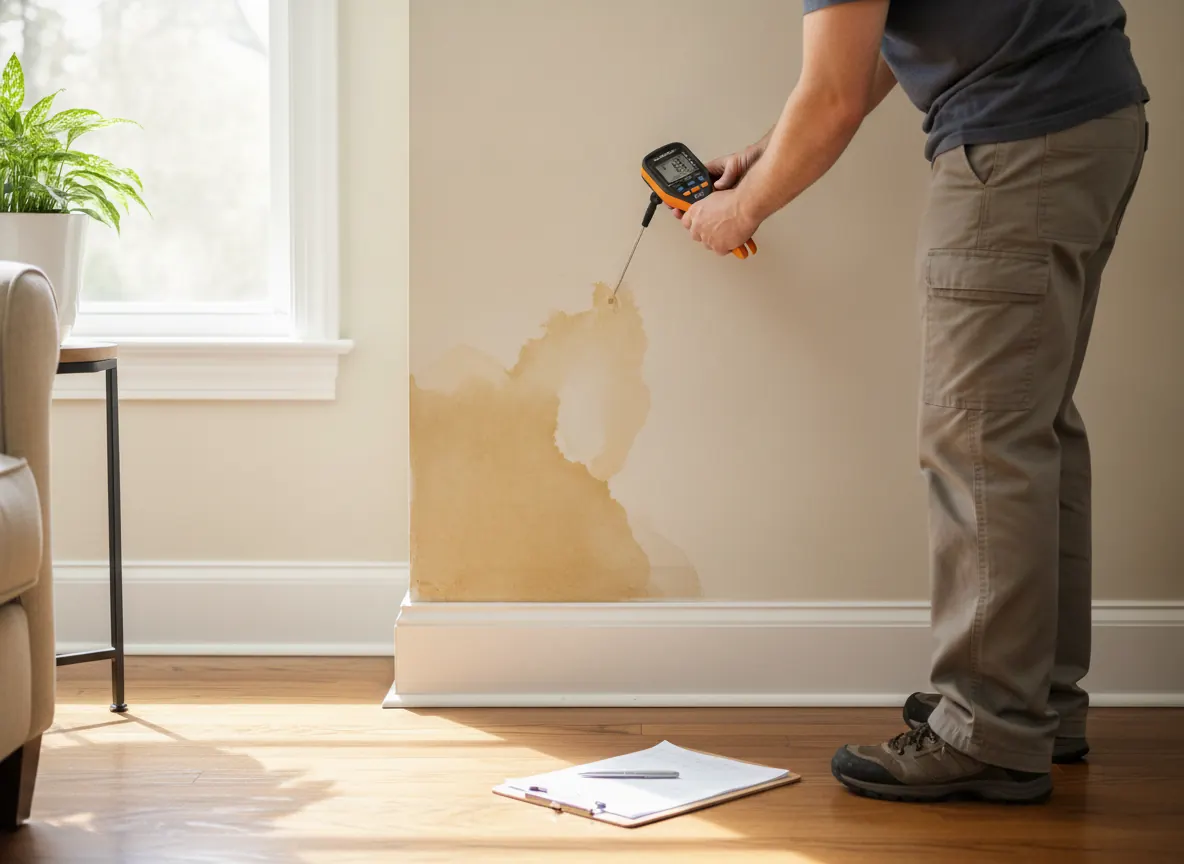
Is mold testing worth it? Often not, and the reason comes straight from EPA: "In most cases, if visible mold growth is present, sampling is unnecessary." If you can see mold, you already know the answer a test would give you. The job is to find the water and remove the growth.
There are still good reasons to pay for a test in New Orleans: a musty smell with nothing visible, a dispute with a landlord or seller, or a check after the work is done. This post sorts out which situation you are in, what each kind of test shows, and what it costs.
The short answer. Skip the test when the mold is visible and the cause is known. Consider one when mold may be hidden, when someone disputes the problem, or when you want independent confirmation after remediation. In Louisiana, a mold remediation contractor may not also do the mold assessment on the same property, or own the company that does (R.S. 37:2158).
When mold testing usually isn't worth it
- You can see the mold. The fix is the same whatever the species: stop the moisture, remove or clean the growth.
- It is small and the cause is obvious. A few square feet on a bathroom ceiling above the shower is a fan and cleaning problem. EPA says areas under about 10 square feet can usually be handled by the homeowner. See bathroom mold.
- You want to know if it is "black mold." Color does not tell you much, and a species name rarely changes the plan.
- You are only trying to learn if spores are present. Mold spores are in nearly all indoor and outdoor air, so a result that says "mold found" is not news.
When a mold test can help
- Hidden mold. A persistent musty smell, past water damage or a stain with no visible growth can point to mold inside a wall, under a floor or in an air handler.
- A dispute. A tenant and landlord, or a buyer and seller, disagree about whether there is a problem. An independent report gives both sides the same facts. See mold in a New Orleans rental.
- Insurance documentation. An adjuster may want a record of hidden damage. Ask your insurer first whether testing is covered.
- Clearance after remediation. A separate company checks the work area before walls are closed up.
- Buying an older home. About 31% of New Orleans housing units were built in 1939 or earlier, and many sit on piers over crawl spaces. An inspection with moisture readings can be worth it before you close.
Types of mold tests and what they cost
Most useful mold inspections start with a visual check and moisture readings, not with samples. Samples add lab costs.
| Service | What it tells you | Typical range |
|---|---|---|
| Inspection only | Visual check, moisture meter or thermal readings, likely source | $300–$600 |
| Inspection with testing | Inspection plus lab samples and a report | $450–$800 (avg ≈ $500) |
| Air test | Spore counts indoors compared with an outdoor sample | $500–$700 |
| Surface (tape or swab) test | Whether a stain or film is mold, and what kind | $150–$200 |
| Additional samples | More rooms or wall cavities | $60–$80 each |
Published national estimates, not quotes (Fixr, Jan 2025). New Orleans-area quotes vary. For remediation prices, see the New Orleans mold remediation cost guide.
Home test kits that grow mold in a dish will almost always grow something, since spores are everywhere. They rarely tell you where the problem is or how big it is.
Why New Orleans homes raise the question so often
Summer dew points at the airport average about 72 to 74°F from June through August (NOAA 1991 to 2020 normals), and the city gets about 63 inches of rain a year. That keeps a lot of homes slightly musty even with no mold problem, and it means cool surfaces like AC ducts and the underside of a raised floor can collect condensation. A good inspector separates "humid house" from "mold growing in a wall" with moisture readings. See crawl space mold and HVAC and duct mold.
Who should do the test
Louisiana requires a mold remediation contractor to stay out of the assessment on the same property. The tester should be a separate company with no ownership tie to whoever does the removal. That independence is the point of paying for a test.
Louisiana's current contractor law licenses mold remediation contractors but not mold assessors, and the LSLBC has said assessments do not require a license. So do not expect a state mold license number from an inspector. Ask these instead:
- Will you take moisture readings and look for the source, or only collect air samples?
- How many indoor and outdoor samples are included, and which lab analyzes them?
- What training do you have, and do you carry liability insurance?
- Do you or anyone you are tied to do mold remediation?
- Will I get a written report with photos, readings and a plain-language summary?
How to read a mold test report
A useful report compares indoor results with an outdoor sample taken the same day, and compares rooms with each other. Indoor counts well above outdoor, or a mold type indoors that is rare outside, suggests a source inside. Moisture readings and photos should point to where it is. If a report gives numbers but no explanation, ask the inspector to walk you through it.
Clearance testing after remediation
A clearance test is optional, but it is the one test many homeowners find worth the money, because it checks the work before walls go back up. Ask for it in the scope before you hire, and book it with a separate company. Plan on one or more air or surface samples. Louisiana also requires the remediation contractor to give you a written report of its work (R.S. 37:2158). For the remediation side, see mold removal and remediation.
Are free mold inspections worth it?
A free inspection from a remediation company is really an estimate. That can be useful for comparing prices, but it is not an independent assessment, and Louisiana law keeps the remediation company from doing the assessment on the same job. For hidden mold, a disputed scope or a clearance check, a paid inspection from a company that will not do the removal gives you a cleaner answer.
Not sure which you need? Describe the problem once and independent local inspection or remediation companies can reply, or call (504) 370-1142. NOLA Mold Remediation is a free quote service, and companies may pay to receive requests.
Frequently asked questions
Do I need a mold test if I can see mold?
Usually not. EPA says that in most cases, if visible mold growth is present, sampling is unnecessary. Fix the moisture source and remove or clean the growth. Testing helps with hidden mold, disputes and clearance after the work.
How much does mold testing cost in New Orleans?
Published national estimates put inspection with testing at $450 to $800, averaging about $500, with air tests at $500 to $700 and surface tests at $150 to $200 (Fixr, Jan 2025). New Orleans-area quotes vary.
Can the same company test for mold and remove it in Louisiana?
No. In Louisiana, a mold remediation contractor may not also do the mold assessment on the same property, or own the company that does (R.S. 37:2158). Hire the tester and the remediation company separately.
Is a mold test needed after remediation?
It is optional. A clearance test by a separate company checks the work area before walls are closed. Ask for it in the scope before you hire, and keep the remediation contractor's written report.