
Mold in a New Orleans Rental: Tenant Rights, Landlord Duties and What to Do
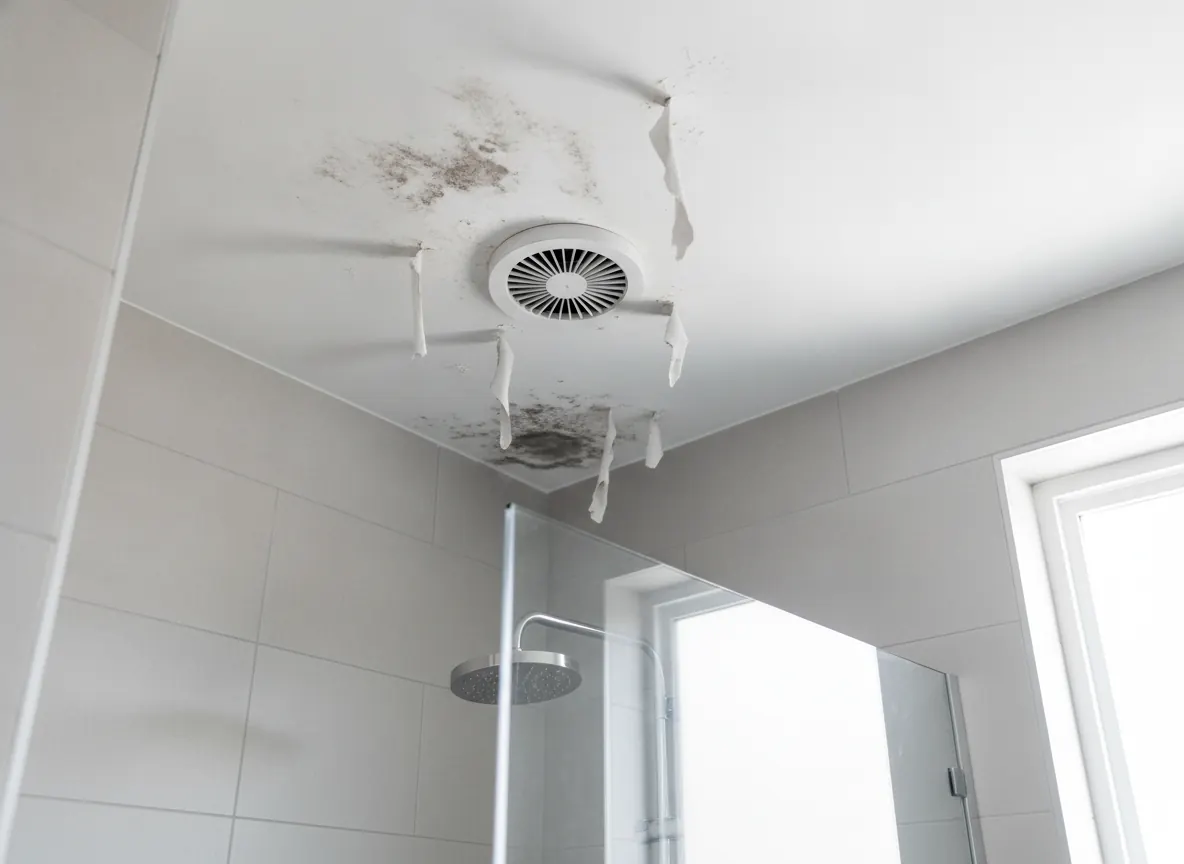
About 49% of New Orleans households rent (American Community Survey 2020 to 2024), so a lot of the mold found in this city is found by tenants. If you rent and see mold or smell a musty room, you have a landlord who has duties under Louisiana law and a few steps that make those duties easier to enforce.
Not legal advice. This is a plain-words summary of general rules. Your lease and your facts matter. Put requests in writing, keep copies, and don't withhold rent without advice from a lawyer or a legal aid office.
Who is responsible for mold in a Louisiana rental?
Louisiana's Civil Code does not use the word mold, but several articles cover it in practice:
- Art. 2682: the landlord (the "lessor") must maintain the property in a condition suitable for the purpose it was leased.
- Art. 2691: during the lease, the landlord must make all repairs that become necessary to keep it in that condition, except those the tenant is responsible for.
- Art. 2692: the tenant must repair damage caused by the tenant's own fault, or by people on the property with the tenant's consent.
- Art. 2696 and 2699: the landlord warrants the property is free of defects that prevent its use, and in a residential lease a waiver of that warranty does not work for defects that seriously affect health or safety.
Mold from a roof leak, a plumbing leak or storm damage is commonly treated as the kind of repair the landlord owes. Mold from something the tenant caused may be treated differently. Who caused the moisture is often the real question.
What to do if you find mold in your apartment
Document it
Take dated photos and video of the mold, any stains, leaks or wet spots, and damaged belongings. Note when you first saw it.
Tell your landlord in writing
Use email, the property manager's portal or a letter, so there is a record. Describe the location, the size and any leak you can see.
Keep copies of everything
Save your notice, any replies, repair visit dates and receipts in one folder.
Allow reasonable access and time
Let the landlord or their company in to look and repair. Note what was done and whether the leak was fixed.
Follow up in writing
If nothing happens, send a second dated request that refers to the first one.
Get advice before bigger steps
Before repair-and-deduct, withholding rent or leaving, talk to a lawyer or a legal aid office.
A simple written request. "On [date] I found mold on the [wall or ceiling] in the [room] of [address], about [size]. There is [a leak, a stain, a musty smell]. Photos are attached. Please repair the cause of the moisture and the mold. I can provide access on [days]. Please reply in writing by [date]."
Can a tenant repair and deduct in Louisiana?
Under Civil Code art. 2694, if the landlord fails to make necessary repairs within a reasonable time after the tenant's demand, the tenant may have them made. The tenant may then ask for reimbursement or apply the cost to rent, but only to the extent the repair was necessary and the amount was reasonable.
That has conditions: a demand first, a reasonable time to respond, and necessary, reasonably priced work. Each one can be argued about. If you go this route, get written quotes, keep the invoice, and get advice first. A job of about $7,500 and up requires a company with a Mold Remediation license from the LSLBC.
Can I stop paying rent because of mold?
Be careful. Louisiana courts have generally not allowed a tenant to stop paying rent while staying in the home. Civil Code art. 2693 says that when a landlord makes urgent repairs, the tenant may get a rent reduction or end the lease, depending on the circumstances. Those outcomes depend on facts. Don't withhold rent without advice.
New Orleans rental rules and 311
The City of New Orleans has its own rental registration and minimum-standards rules, and complaints about rental conditions start through the city's 311 service. Rules, deadlines and the inspection process change, so check nola.gov or call 311 for how it works today before relying on it.
Do I need a mold test to ask for repairs?
Usually not. EPA says that in most cases, if visible mold growth is present, sampling is unnecessary. Photos and a written description are what a landlord needs to act. A test from an independent company can help in a dispute, for example when you smell mold but cannot see it, or when the landlord says the problem is fixed. In Louisiana, a mold remediation contractor may not also do the mold assessment on the same property, so the tester should be a separate company. See is mold testing worth it and mold inspection and testing.
What tenants can safely do in the meantime
Louisiana lets owners and tenants do mold remediation on property they own or lease without a license (R.S. 37:2157), and EPA says areas under about 10 square feet can usually be handled by the occupant. That does not shift the repair duty to you, and it is smart to tell the landlord before you clean so the cause gets fixed.
- Run the bathroom fan during showers and for a while after. See bathroom mold.
- Keep indoor humidity below 60%, ideally 30 to 50% (EPA). A cheap humidity meter helps.
- Wipe condensation off windows and AC vents, and report a dripping AC unit.
- Don't paint over mold; it comes back if the moisture stays.
For landlords
Fix the moisture first, then the mold. For a job of about $7,500 and up, Louisiana requires a licensed mold remediation contractor; look up the license on the LSLBC website and get a written contract and written report. Typical published ranges are $500 to $1,500 for a bathroom and $1,500 to $9,000 for a typical job (Fixr, Aug 2025). See the New Orleans mold remediation cost guide and mold in rentals and apartments.
Health
EPA and CDC describe allergic and irritant reactions as the most common effects of mold. People with asthma, allergies or weakened immune systems may be more sensitive. If you or your children have symptoms, see a doctor and keep a note of the visit with your records.
Landlord or tenant, you can describe the problem once and independent local companies can reply with quotes, or call (504) 370-1142. Companies may pay to receive requests.
Frequently asked questions
Who is responsible for mold in a rental in Louisiana?
Louisiana's Civil Code makes landlords responsible for necessary repairs and for defects that affect use (arts. 2682, 2691, 2696). Mold from a roof or plumbing leak is commonly treated as that kind of repair. Tenants are responsible for damage they cause (art. 2692). This is not legal advice.
Can I sue my landlord for mold in New Orleans?
That depends on your lease, the facts and what you have lost, so talk to a lawyer or a legal aid office. Written notice to the landlord, photos and records of what happened will matter in any dispute.
Can my landlord make me pay for mold removal?
Possibly, if the mold came from damage the tenant caused (Civil Code art. 2692). If it came from a leak or a defect in the building, the repair is usually the landlord's duty. Get advice if you disagree.
Can I break my lease because of mold?
Civil Code art. 2693 allows a rent reduction or ending the lease in some situations during urgent repairs, depending on the circumstances. Do not move out or stop paying rent without advice from a lawyer or legal aid office.