
Mold After a Hurricane or Flood in New Orleans: A First-Week Checklist
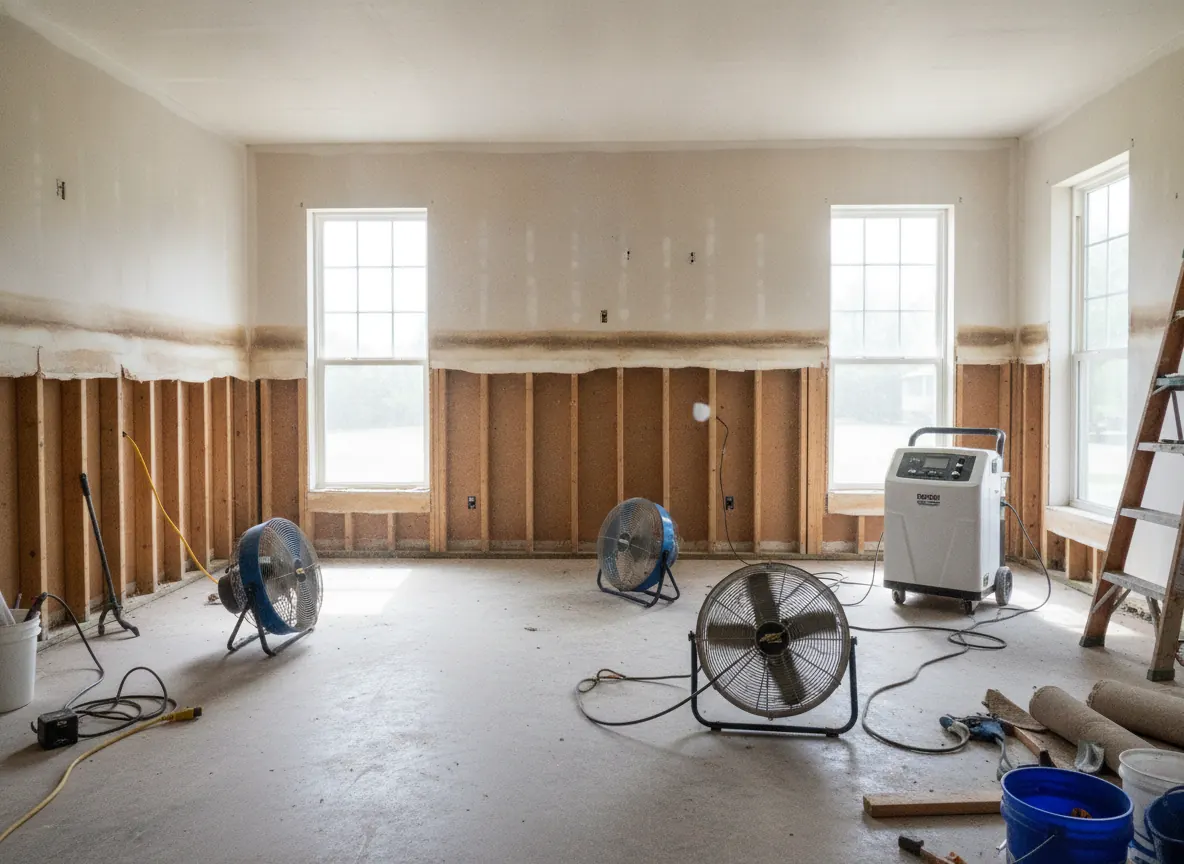
Mold after a hurricane in New Orleans is a race against drying time, not a mystery. EPA says to dry water-damaged areas and items within 24 to 48 hours to prevent mold growth. After a big storm that window is hard to meet: the power may be out, the AC is off, and every company in the metro is busy.
The region knows this well. Every metro parish was in FEMA disaster declarations for Katrina (2005), Gustav (2008), Isaac (2012), Ida (2021) and Francine (2024). In September 2024, Hurricane Francine dropped 8 to 9.5 inches of rain on Metairie, Kenner, New Orleans and Mandeville, mostly within a few hours (National Weather Service). During Ida in 2021, all power was lost in Jefferson Parish. This checklist covers the first week, in order.
Safety first. Go back in only when officials say it is safe. Keep the power off in any room where water reached outlets until an electrician checks it, and never run a generator indoors or in a garage. Wear gloves, boots and a well-fitted N95 mask when handling wet, moldy material.
How soon does mold grow after a flood?
EPA's 24 to 48 hour drying window is the number to plan around. In New Orleans the summer works against you: average dew points at the airport run about 72 to 74°F from June through August (NOAA 1991 to 2020 normals). A house only holds the indoor humidity EPA recommends, below 60% and ideally 30 to 50%, while the AC is pulling moisture out. When the power goes out after a storm, a wet house sits in that humid air.
Day 1: document before you tear anything out
Photograph and video everything before tear-out, keep samples if your adjuster asks, and dry out within 24 to 48 hours where you can. FEMA advises flood policyholders not to sign an agreement for cleaning, remediation or maintenance services before consulting their flood adjuster, and notes that you cannot make repairs before the adjuster's visit, though steps to limit damage, like tarping a roof, are allowed.
- Shoot wide video of each room, then close-ups of water lines on walls, wet flooring, ceilings and damaged contents.
- Write down the date and time water came in and when it left.
- Report the claim to your insurer. Flood damage goes to your flood (NFIP) policy, and wind, roof and plumbing damage usually goes to your homeowners policy. You may need to file with both.
- Keep every receipt for fans, dehumidifiers, tarps and hotel nights.
For how mold coverage usually works, see does homeowners insurance cover mold in Louisiana.
Days 1 and 2: get water out and air moving
- Remove standing water with a pump or wet vacuum once the power is safe.
- Pull up wet rugs and carpet pad and get them outside.
- Move furniture off wet floors and open cabinet doors and closets.
- Run fans and dehumidifiers as soon as you have power. Keep doors to the outside closed while a dehumidifier runs.
- Do not run central air if water reached the air handler, the return or ducts in a crawl space until someone checks them. See HVAC and duct mold.
- Bag and throw out soaked items you cannot dry and clean quickly, after you photograph them.
What to tear out and what can usually be saved
Floodwater is dirty water. Porous materials that soaked in it usually go; hard surfaces can usually be cleaned and dried. These are common practices, and the company you hire or your adjuster may see your house differently.
| Material | Usual approach after floodwater |
|---|---|
| Drywall that wicked water | Cut out above the wet line (a "flood cut") so the wall cavity can dry |
| Wall insulation | Remove if wet; it holds water for a long time |
| Carpet and pad | Usually discarded after floodwater |
| Wood subfloor and framing | Dry thoroughly and check moisture before closing up |
| Tile, metal, sealed concrete | Clean and dry |
| Upholstered furniture and mattresses | Usually discarded if soaked |
Do not paint over or seal up anything that is still wet. A wall that looks dry can still be wet inside, which is why companies use moisture meters before rebuilding. More detail is on the flood and water damage mold page.
Slab homes and raised homes flood differently
A slab home floods at floor level. Water wets the bottom of the drywall, baseboards and the wall cavities behind them, so the flood cut is the main job.
Many older New Orleans houses, including shotgun houses, sit on brick piers over a crawl space. Under-floor insulation, the subfloor and joists can get wet, and mud and debris left under the house dry slowly. Ask anyone you hire to look under the house, not just inside it. See crawl space mold.
Days 3 to 7: when to call in a company
EPA says homeowners can usually handle a moldy area under about 10 square feet. A flooded room or a whole floor is a different job. Louisiana requires a Mold Remediation license from the LSLBC for projects of about $7,500 and up, and a whole-house job after a flood will usually cross that line. Before you sign, look up the company's license on the LSLBC website and get a written contract with the license number, price and insurance certificates. The Louisiana mold license guide shows how.
Published national estimates put combined water damage and mold work at $2,700 to $10,000 and whole-house remediation at $10,000 to $30,000 (Fixr, Aug 2025). New Orleans-area quotes vary. The mold remediation cost page has the full table and a calculator.
In Louisiana, a mold remediation contractor may not also do the mold assessment on the same property, or own the company that does (R.S. 37:2158). If you want testing before or after the work, it comes from a separate company.
Rebuilding: permits and contractors
Mold cleanup itself usually isn't permitted work, but in New Orleans drywall replacement generally needs a permit, as do electrical, plumbing, roofing and historic-district exterior work. Your rebuild contractor should pull it. Other parishes have their own rules.
After every big storm, door-knockers show up. Verify the license, get everything in writing, and avoid large upfront payments. The storm contractor scams guide covers the warning signs in detail.
A note on health
EPA and CDC describe allergic and irritant reactions as the most common effects of mold, such as a stuffy nose, itchy eyes or coughing. People with asthma, allergies or weakened immune systems may be more sensitive. If anyone in the house has symptoms, see a doctor, and keep them out of the cleanup.
Ready for quotes? Describe your situation any time and independent local companies reply on their own schedules, or call (504) 370-1142.
Frequently asked questions
How long after a flood does mold start to grow?
EPA says to dry water-damaged areas and items within 24 to 48 hours to prevent mold growth. In humid New Orleans summers, especially without power for the AC, wet materials that stay wet past that window are likely to grow mold.
Should I tear out drywall before the adjuster comes?
Photograph and video everything first and call your insurer. FEMA says you cannot make repairs before the adjuster's visit, but you can take steps to limit damage. Ask your adjuster before tear-out and keep samples if they request them.
Does flood insurance cover mold after a hurricane?
It depends on the cause and your policy. FEMA says NFIP policyholders must take steps to limit mold after a flood, and that mold damage is not covered if the policyholder fails to act. Talk to your adjuster before signing a cleaning or remediation contract.
Do I need a mold test after a flood?
Usually not if you can see the damage. EPA says sampling is usually unnecessary when mold is visible. A test from a separate company can help with hidden mold, a dispute or a clearance check after the work.